Spring commissioning is the mirror image of winterizing, and it punishes the same shortcut: assuming the boat that was fine in October is fine now. Months of sitting change things. Batteries sag, impellers take a set, fuel ages, and small leaks dry out and hide. In New London, the first warm weekend sends a fleet of optimistic boats to the ramps, and the ones that took an hour of commissioning in the driveway are the ones that leave under their own power.
The cost of skipping it is not abstract. It is a no-start at a crowded ramp, an overheat a mile from the dock from an impeller that sat folded all winter, or a stall in the channel from fuel that separated while the boat slept. Commissioning is the cheapest hour in boating, measured against every alternative.
The numbers behind the ritual
What sitting does, system by system
The water pump impeller is the classic case. Its rubber vanes sit bent in one position all winter and can take a permanent set, cracking or losing their spring, so the pump moves less water precisely when spring asks for full flow. Many mechanics replace impellers on a schedule of every few seasons regardless, and inspect yearly, because the part is inexpensive and the failure it prevents is an overheated engine.
Fuel is the second system. Modern gasoline with ethanol absorbs moisture and can separate over a storage season, which the next piece in this series covers in full. Batteries are the third, covered in the winter battery guide. Hoses, clamps, and bellows round out the list: rubber that looked fine in fall can crack over a cold, dry winter, and a commissioning squeeze of every hose is how you find that out at home.
The first start, done right
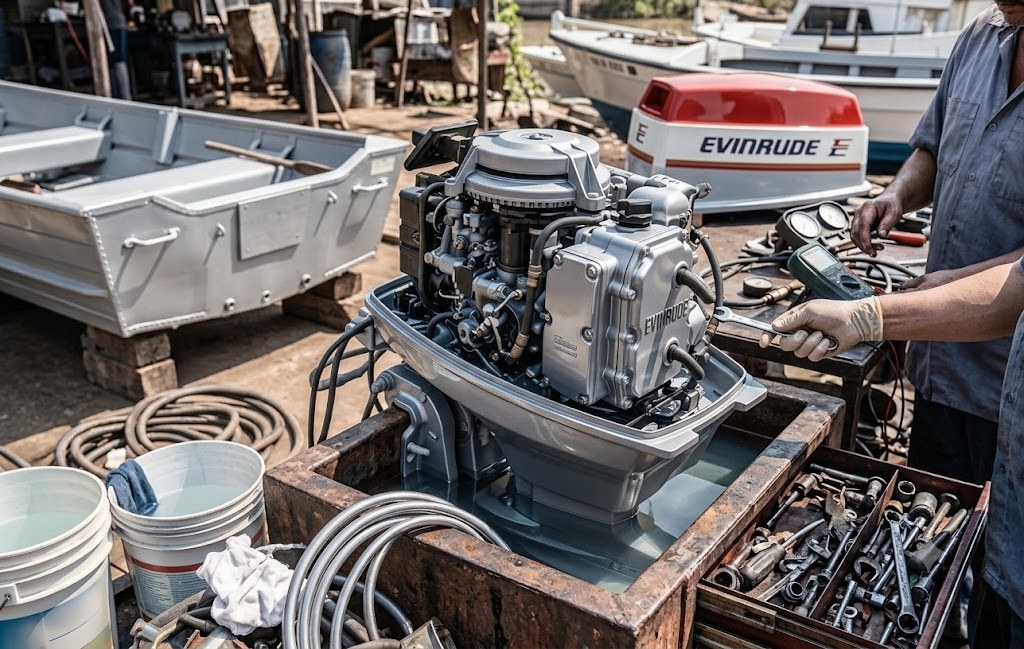
Charge and test the battery before the key ever turns. Check oil and gear lube levels and their look; milky gear lube means water got in over the winter and the lower unit needs attention before a season of running, work that sits squarely in Burris Marine's lower unit service. Reconnect everything winterization disconnected, in the reverse of the fall order, and run the engine on muffs or in a tank in the driveway, watching the telltale stream, listening for the miss or roughness that is cheap to fix on land, and checking that the bilge pump, lights, and accessories all woke up too.
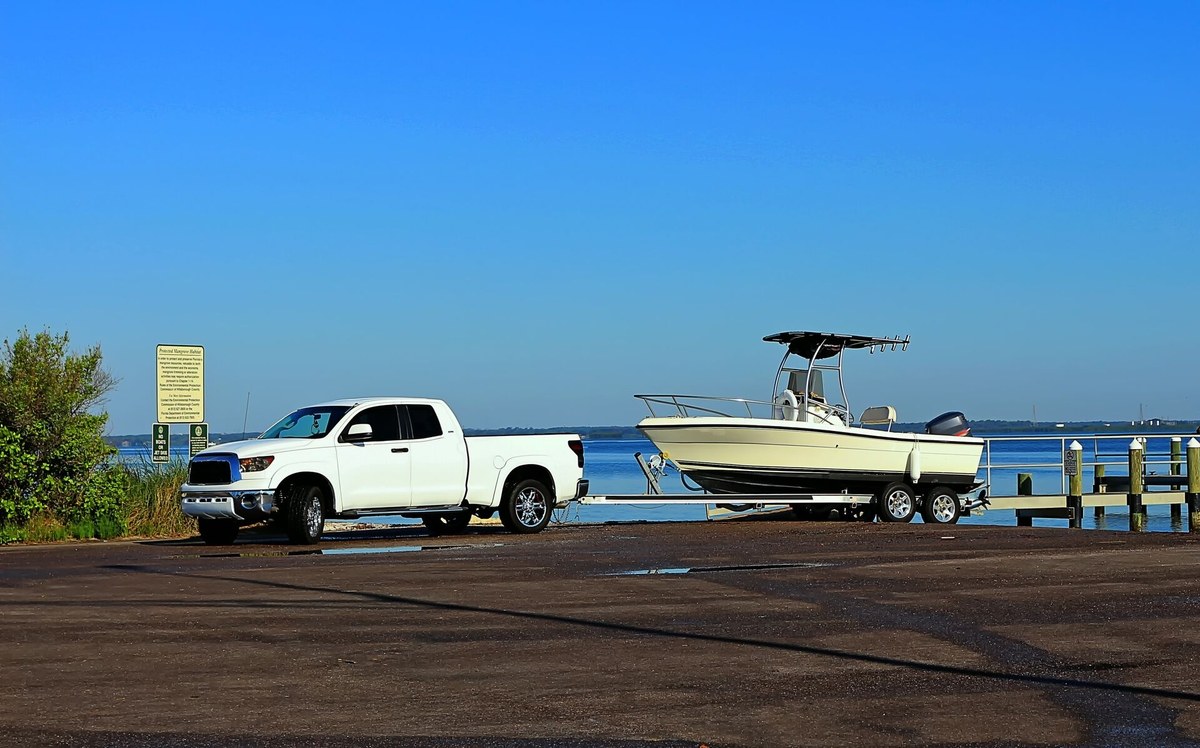
Then check the trailer before the boat ever leaves the yard: tire pressure and sidewalls, bearing grease, lights, winch strap, and the safety chains. More spring trips end on the roadside than at the ramp, and nearly all of those endings were visible in the driveway.
The small checks that ride along
Commissioning is also the natural moment for the unglamorous list: drain plug present and accounted for before launch rather than remembered at the ramp, life jackets counted and sound, fire extinguisher gauge in the green, registration current, and a paddle and anchor where they belong. None of it is mechanical, all of it is discovered on the first trip when it is skipped, and the driveway is a far better place for the discovery.
Neglect compounds across winters
One skipped spring is a gamble. A pattern of them is a maintenance debt that collects itself all at once: the impeller, the fuel system, the battery, and the seals failing in the same season, each having been a small item in its own year. Commissioning is how boaters pay that bill in installments of an hour, and keep the first Saturday of spring for the water.
Common questions
What is the single most important commissioning item?
The water pump impeller and a driveway test run share the honor. The run reveals most problems, and the impeller is the hidden part most likely to cause an overheat if it sat folded all winter.
Can I skip commissioning if I winterized properly?
Winterizing protects the engine in storage; commissioning verifies it coming out. Seals dry, batteries sag, and rodents visit even well-stored boats, so the check still earns its hour.
My engine started fine in the driveway. Am I done?
Mostly. Carry the first outing as a shakedown: stay near the ramp, watch temperature and the telltale stream, and confirm steering, shifting, and bilge pump under real conditions.
Photos in this guide are representative stock images.
← All guides from Burris Marine← Back to Burris Marine